The Open Home Foundation and Apollo Automation shipped the first official ESPHome Starter Kit on August 12. $39.99, no soldering, no code. Worth talking about, since our own smart home setup has been built entirely the hard way.
What’s actually in the box
An ESP32-C6-MINI-1 board with two FPC expansion connectors, plus four snap-in modules: PIR motion, temperature and humidity, a button, a buzzer, and ten RGB LEDs. You wire nothing and flash nothing. ESPHome’s web tool handles the firmware and Home Assistant picks the device up from there.
Most of the kit’s profit goes to the Open Home Foundation, the nonprofit that maintains Home Assistant and ESPHome. Buying one is also just funding the project.
Where that leaves the hard way
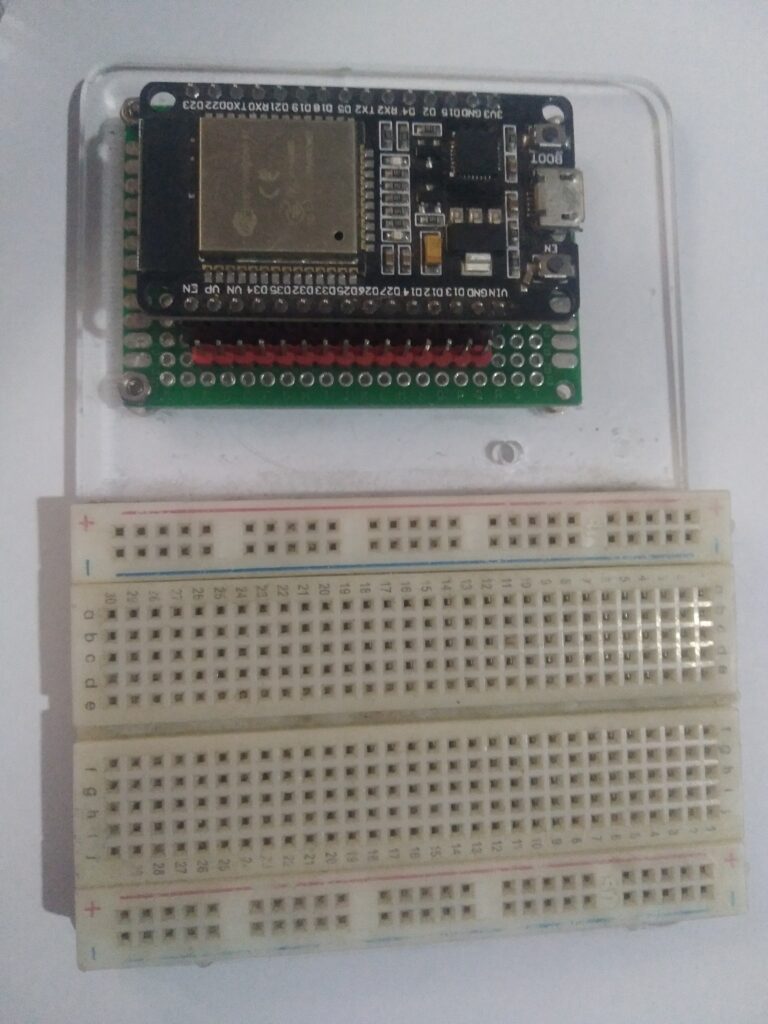
Every device on our network so far has meant a breadboard, a datasheet, and usually a second attempt after the first one didn’t work. That’s not a complaint. It’s most of the reason “the hard way” is in the project name.
A kit that gets someone from box to working sensor in ten minutes isn’t competing with that. It answers a different question: “I want to try this before I commit to learning to solder.” That’s a reasonable thing to want, and open-source smart home hardware hasn’t had a good answer for it until now.
The part worth watching is who’s selling it. Apollo Automation is a hardware company. The Open Home Foundation is the nonprofit steering Home Assistant. A commercial product funding the foundation that maintains the open platform it plugs into is a healthier arrangement than most of the smart home world runs on, where the platform and the hardware usually belong to the same company and that company has a reason to lock you in.
Sources: Apollo Automation’s announcement, CNX Software’s hardware breakdown.